

Save the Aravalli Range
Save the Aravalli Range Before It’s Too Late: These days, while many states in India are grappling with pollution, some people, in pursuit of their own selfish interests, have hatched plans to further pollute the country and increase the heat. We’re talking about the Aravalli Hills. Considered the pride of Rajasthan and India, the Aravalli Hills are now in danger. People have begun raising their voices for its conservation. So, let us explain why the Aravalli Hills are so important to all of us.

Table of Contents
Save the Aravalli Range Before It’s Too Late
Points
- The Aravalli Range ranks among the oldest mountain systems on Earth, having formed during the Proterozoic era roughly 1.5 to 2 billion years ago. Its origins predate many of the world’s major ranges, including the Himalayas, placing it firmly within the Precambrian phase of geological history.
- Geologically, the Aravallis emerged due to an ancient tectonic collision between the Bundelkhand and Marwar cratonic blocks. This massive crustal interaction led to the formation of the Aravalli–Delhi orogenic belt, preserving evidence of some of the earliest mountain-building processes on the Indian subcontinent.
- Over immense spans of time, natural forces such as wind, water, and temperature variation have worn down these mountains. Once towering in height, the Aravallis have been gradually reduced to their present, modest elevations through prolonged erosion.
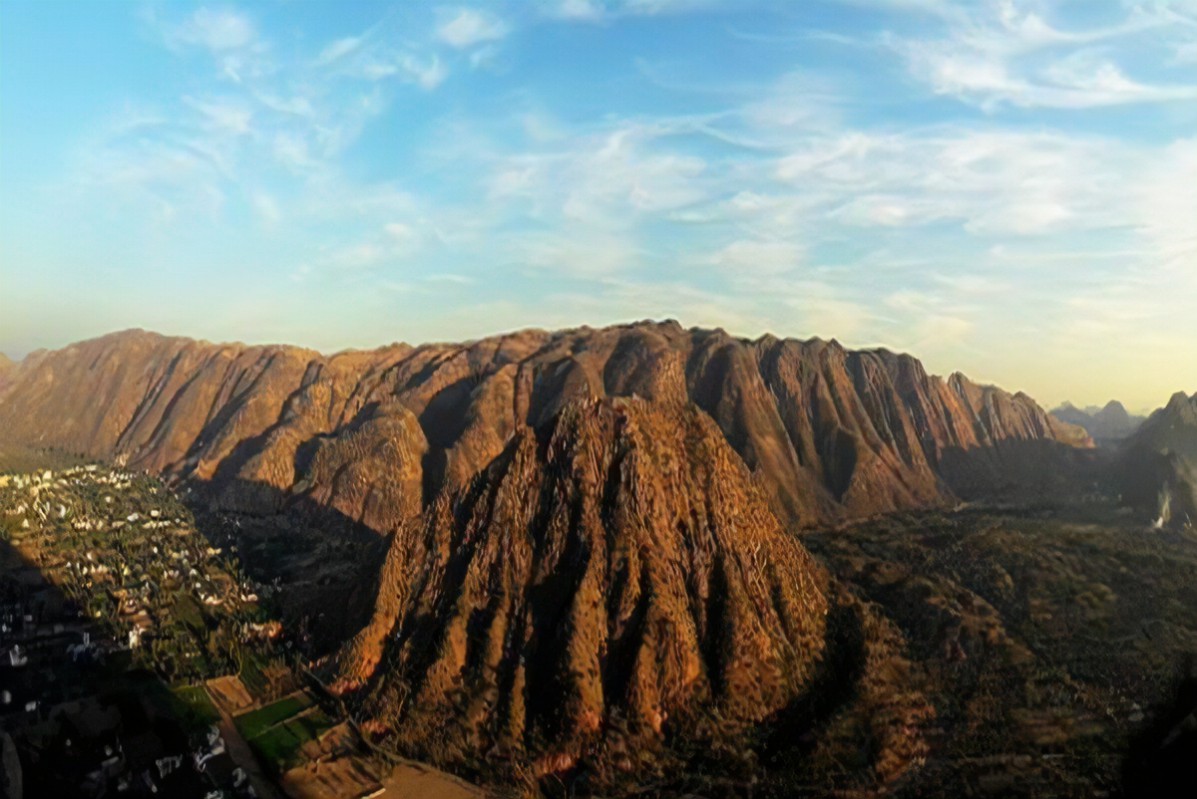
- The region is also recognized as one of South Asia’s earliest centers of metal production. Copper mining in areas such as the Khetri belt can be traced back to at least the 5th century BCE, making it a crucial hub of early metallurgy.
- Scientific analyses and archaeological findings indicate that copper from the Aravalli zone was being extracted as early as the 3rd to 4th millennium BCE. This metal was widely traded and supplied to settlements of the Indus Valley Civilization and possibly to regions beyond South Asia, including West Asia.
- Early urban sites like Kalibangan and Kunal depended on Aravalli copper, highlighting the range’s importance in pre-Harappan and Harappan trade networks and technological development.
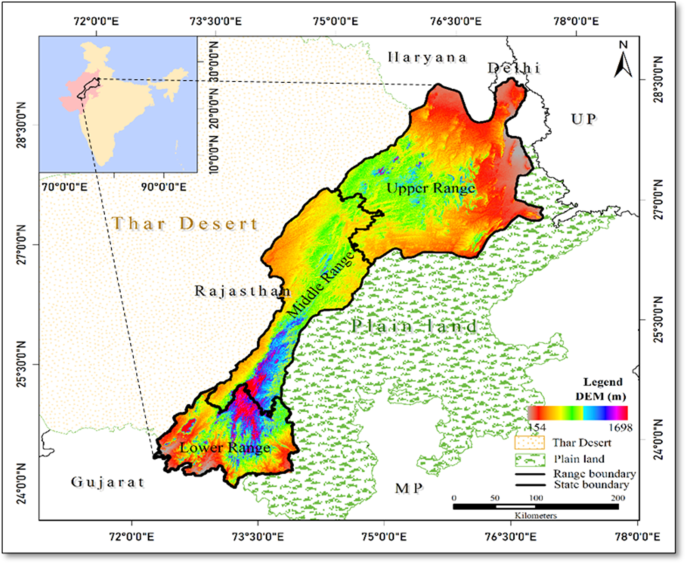
- Historically, the Aravalli hills served as natural fortifications. Rajput rulers strategically constructed formidable hill forts such as Chittorgarh and Kumbhalgarh along its ridges, using the rugged terrain for defense and control.
- Beyond military significance, the range has long held spiritual and cultural importance. Sites like the Dilwara Jain Temples at Mount Abu stand as masterpieces of medieval architecture, celebrated for their intricate marble craftsmanship and patronage by Jain communities.
- During the colonial era and into modern times, the Aravallis continued to attract attention due to their abundant mineral wealth. Rich reserves of copper, zinc, lead, marble, and other resources turned the region into a strategically valuable mining and revenue zone.
Also Readd:- Top 15 Most Popular Sports in the USA
About the Author